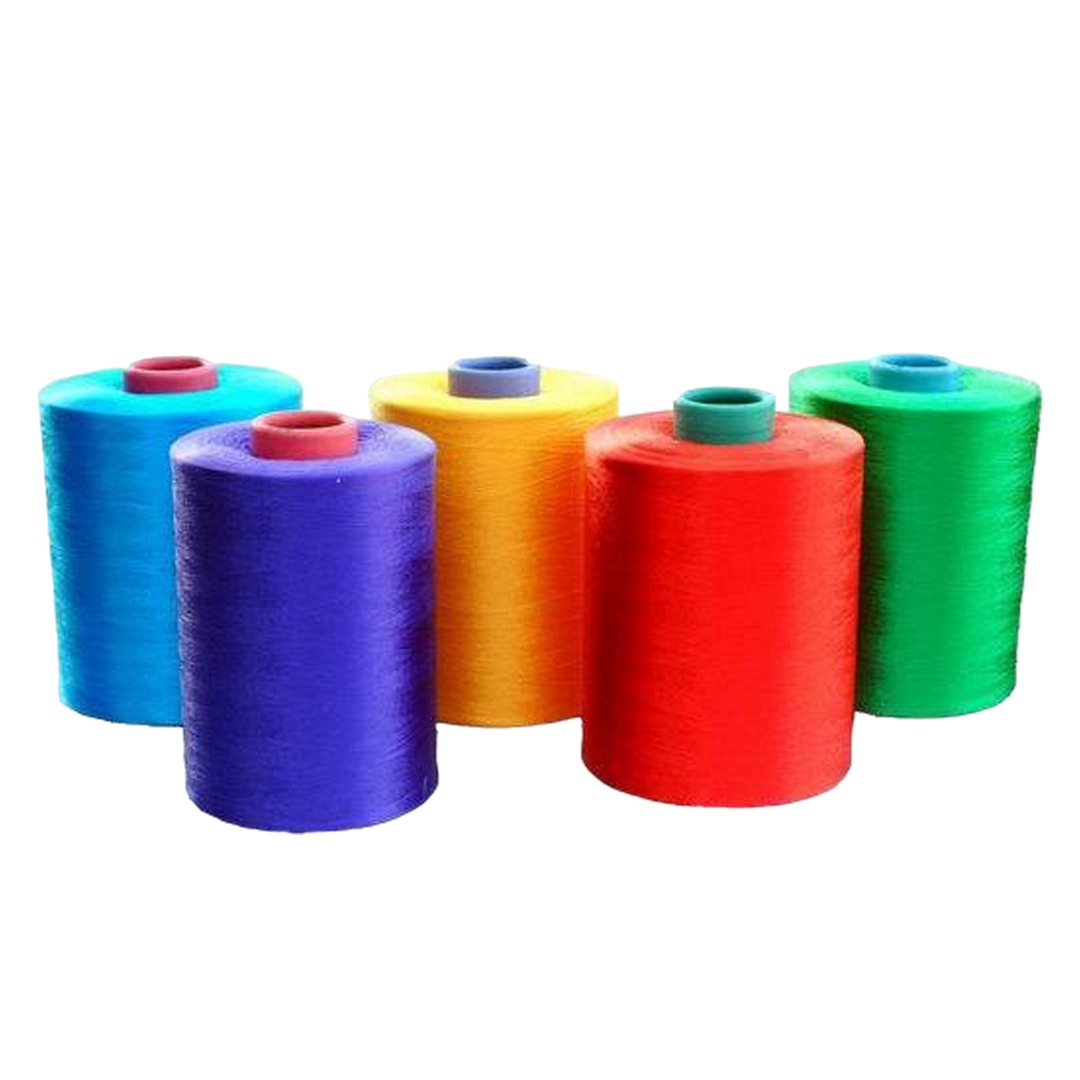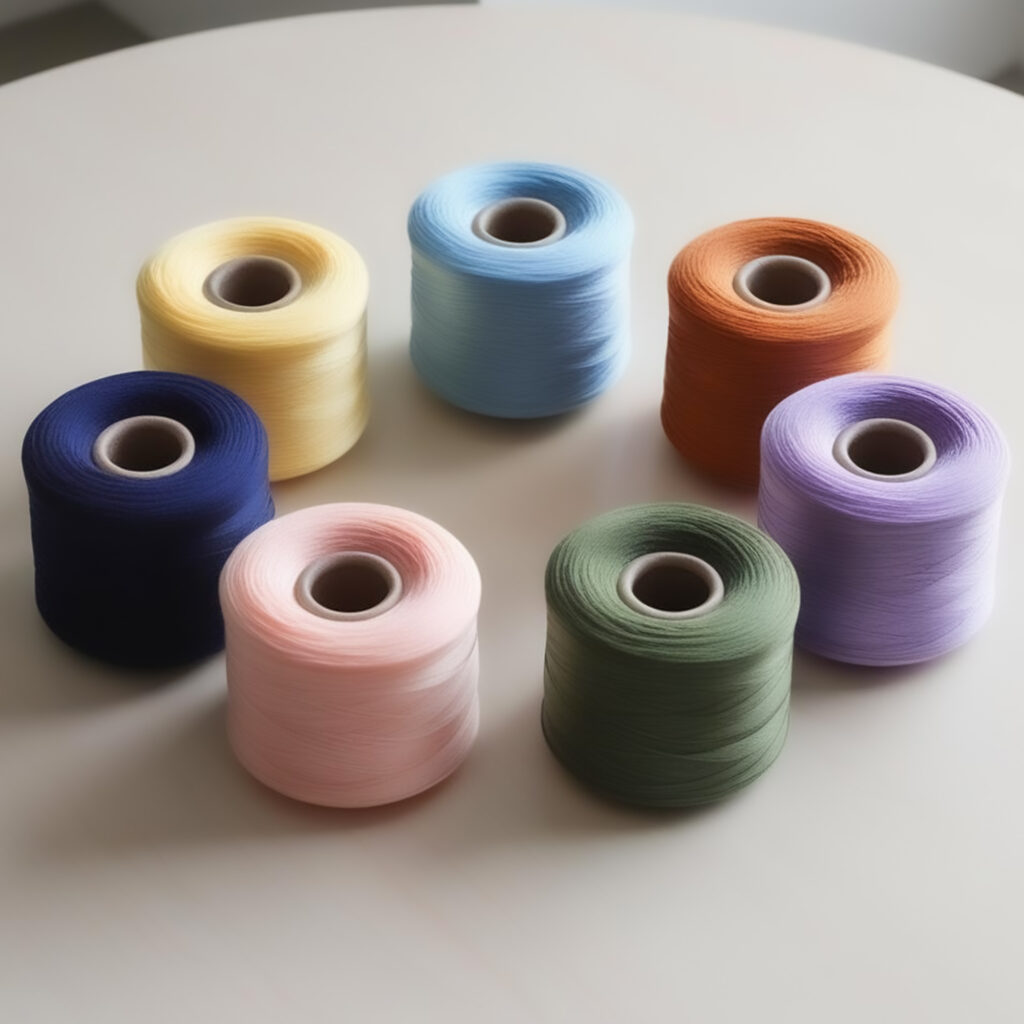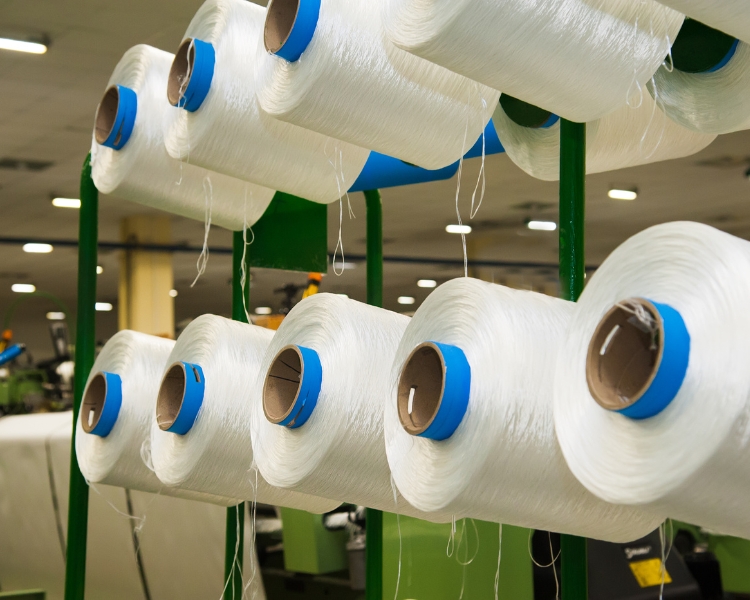
Polypropylene Multifilament Yarn is produced by extruding polymer through spinnerets, where multiple filaments are combined and wound together to create a strong, versatile yarn. To stabilize the extruded filaments and prevent entanglement during unwinding, these filaments are intermingled using an air vortex method.
Our polypropylene multifilament yarns are manufactured using high-quality materials and advanced techniques. With a wide range of applications, from industrial sewing to the production of ropes and bulk bags, our yarn is adaptable to meet various needs. We understand that every project is unique.
Our expert team specializes in manufacturing high-quality PP woven fabrics, ensuring exceptional durability and versatility for diverse industrial applications.
Our efficient processes ensure rapid production of high-quality, durable polypropylene woven fabrics, meeting your urgent needs promptly.
Our customer-centric approach ensures responsive assistance throughout the production process, addressing your specific needs and concerns promptly.
Polypropylene yarn has a low specific gravity, resulting in lightweight fibers that provide "warmth without the weight.
It exhibits excellent tensile strength, maintaining integrity under both wet and dry conditions, making it suitable for applications requiring robust materials.
The yarn has low moisture absorption but can wick moisture away, allowing it to dry quickly.
The fibers provide good bulk and cover, contributing to effective thermal insulation properties.
Polypropylene yarn is resistant to staining, mildew, abrasion, and sunlight, making it ideal for environments where exposure to these elements is a concern.
Compared to other synthetic fibers, polypropylene is less expensive, offering a cost-effective solution for various applications.
Specification |
Details |
|---|---|
|
Fiber Type |
Synthetic fiber made from a polyolefin, such as polypropylene or polyethylene. |
|
Density |
Approximately 0.91 g/cm³, making it one of the lightest synthetic fibers available. |
|
Tenacity |
Exhibits high tensile strength, maintaining integrity under both wet and dry conditions. |
|
Moisture Regain |
Low moisture absorption but can wick moisture away, allowing it to dry quickly. |
|
Chemical Resistance |
Resistant to staining, mildew, abrasion, and sunlight. |
|
Colorfastness |
Maintains its color over time, even when exposed to various environmental conditions. |
|
Environmental Impact |
Made from recyclable materials, contributing to eco-friendly packaging solutions. |
Polypropylene yarn is a synthetic textile fiber made from the polymerization of propylene monomers. It is recognized for being lightweight, durable, and resistant to moisture and chemicals.
PP yarn is utilized in various sectors, including fashion for activewear due to its moisture-wicking properties, industrial uses like ropes and nets owing to its durability, and agricultural applications such as geotextiles.
The production process involves polymerizing propylene to create a thermoplastic polymer, which is then extruded into fibers to form yarn.
Polypropylene yarn is typically solution-dyed during the manufacturing process, which ensures color consistency and durability, as it does not absorb dyes well after production.
While PP yarn has many advantages, it has a relatively low melting point compared to other synthetic fibers, which can limit its use in high-temperature applications.